
Game mechanics
Understand actions, initiative, elements, conditions and summons before spending the cards your party needs to survive.
No matching entries. Try another name or number.
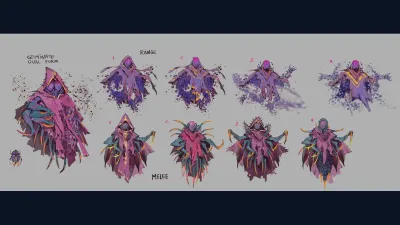
Card economy: managing losses and exhaustion
Understand how your available cards limit endurance, and decide when a powerful loss action is worth spending.
Last updated: 10/16/2026

Use conditions to prevent expensive turns
Conditions matter most when they change the enemy's next useful action. Check timing and immunity, and compare prevention with immediate removal.
Last updated: 10/16/2026

Plan element generation and consumption
Elements are shared timing resources. Name the intended consumer before building a turn around an infusion or empowered action.
Last updated: 10/16/2026
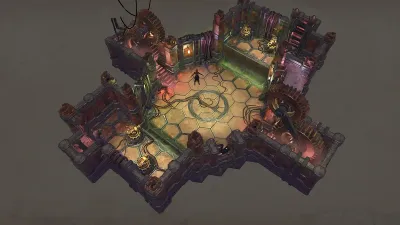
Use initiative to manage exposure
Initiative is a positioning resource. Choose when a hero becomes exposed, and plan the next round before stepping into melee.
Last updated: 10/16/2026
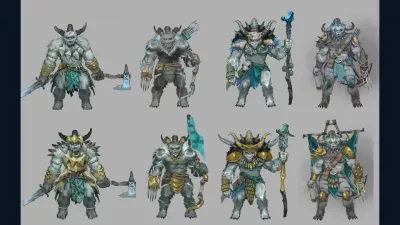
Read enemy actions before choosing your route
Enemy behavior is a source of planning information. Inspect the revealed action and reachable attack positions instead of reacting only to distance.
Last updated: 10/16/2026
Resting, loss cards and exhaustion
Cards are a scenario budget. Rest when it supports a useful sequence, and spend losses when their effect justifies reducing later options.
Last updated: 10/16/2026
Keep summons productive without blocking allies
Summons need useful paths and targets. Plan their next activation, not just the hex where they appear.
Last updated: 10/16/2026
Plan two-card turns with useful fallbacks
A good pair covers the intended action and an alternative. Think about your final position and the next round before committing to maximum damage.
Last updated: 10/16/2026